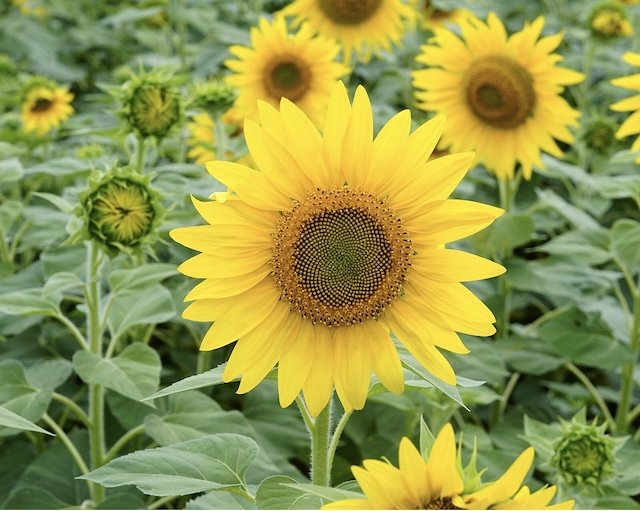
A Populous Botanical Family

Many of the flowers we love most in our gardens belong to the Asteraceae family—one of the largest and most diverse plant families in the world. Think of cheerful daisies,  cosmos, vibrant sunflowers, marigolds, elegant coneflowers, and long-blooming asters. What looks like a single flower is actually a cluster of tiny blooms working together, creating that classic “composite” look.
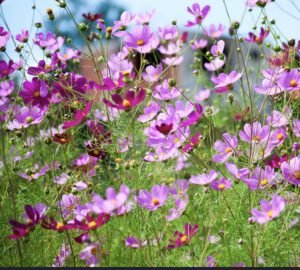
These plants aren’t just beautiful—they’re incredibly valuable. Asteraceae flowers are magnets for pollinators like bees and butterflies, and many varieties are easy to grow, drought-tolerant, and bloom over long seasons. Whether you’re planting for color, wildlife, or resilience, this family offers something for every garden style.
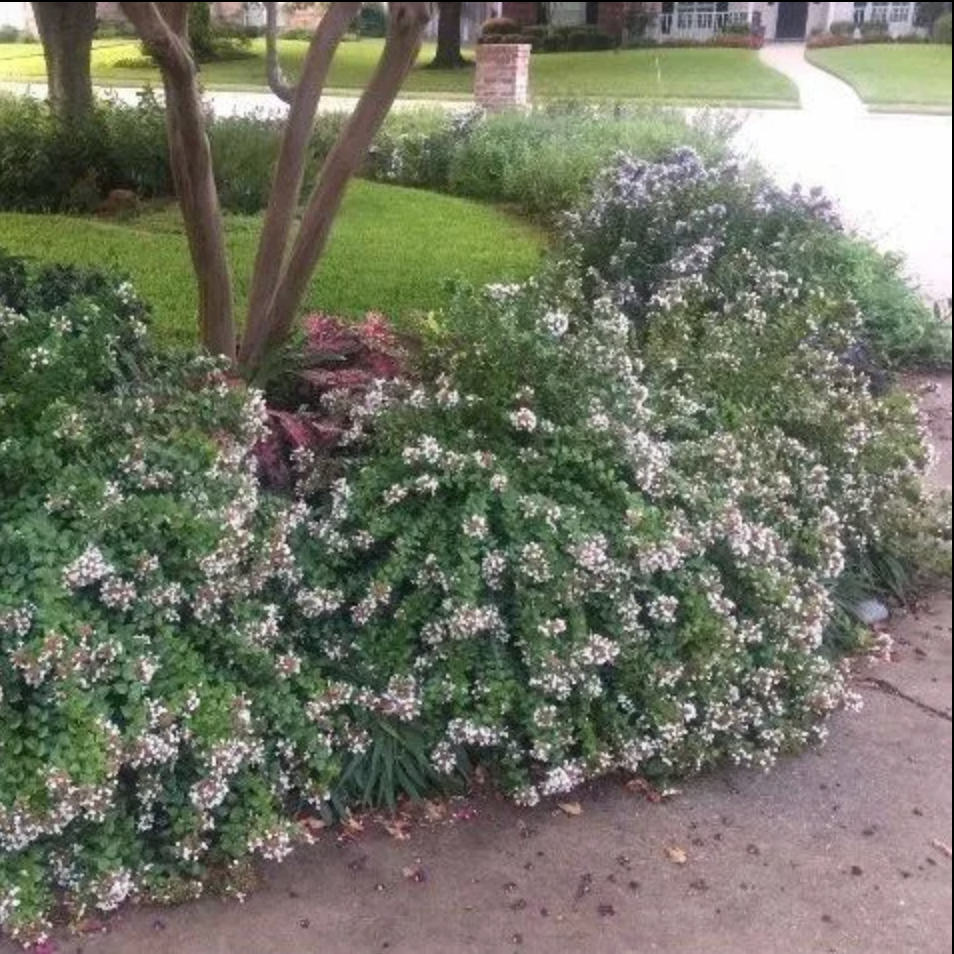
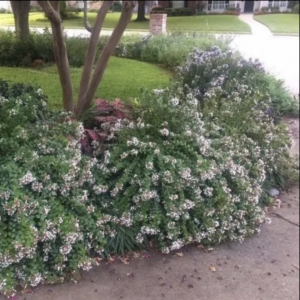
Resilient Abelia

Abelia is one of those quietly reliable shrubs that earns its place in almost any landscape. With its graceful arching branches, semi-evergreen foliage, and long bloom season, it adds structure and softness at the same time. From spring through fall, its delicate, tubular flowers attract pollinators like bees and butterflies, bringing life and movement into the garden.

What makes Abelia especially valuable is its adaptability. It tolerates heat, humidity, and a range of soil conditions, making it a low-maintenance choice for busy homeowners or challenging sites. Whether used as a foundation plant, a hedge, or a specimen shrub, it offers year-round interest with minimal effort.

If you’re looking for a plant that combines beauty, resilience, and ecological benefits, Abelia is a smart and versatile addition to your landscape.

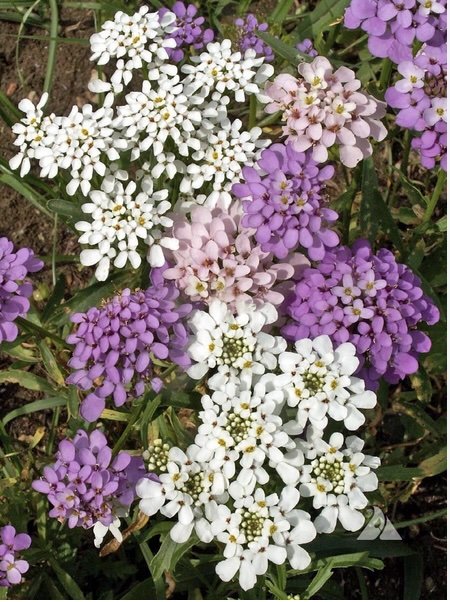
Iberis

Flowers in the mustard family (Brassicaceae, formerly Cruciferae) are most notably distinguished by their cross-like structure.  This distinct appearance led to the traditional name crucifers, referring to the four petals arranged in the shape of a Greek cross.  The mustard family also possess and highly distinctive pungent, peppery or sulfurous aroma when the tissues are crushed.

Iberis, commonly known as candytuft, is one example. Native primarily to the Mediterranean region, these plants are prized for their dense clusters of small, four-petaled flowers that typically bloom in shades of white, pink, or purple. The flowers have a sweet, honey-like fragrance. The plant has Mediterranean origins, thought to be in the area of Crete. Iberis species range from annuals to evergreen perennials, with popular varieties like Iberis sempervirens often used in ornamental gardening.

Gardeners value Iberis for its ability to form low, spreading mounds that work well as ground cover, edging plants, or additions to rock gardens. They thrive in well-drained soil and full sun, and once established, many varieties are relatively drought-tolerant. Beyond their aesthetic appeal, candytuft flowers can attract pollinators such as bees and butterflies, contributing to garden biodiversity. Their long-lasting blooms and neat growth habit make them a dependable choice for both formal and informal landscape designs.