
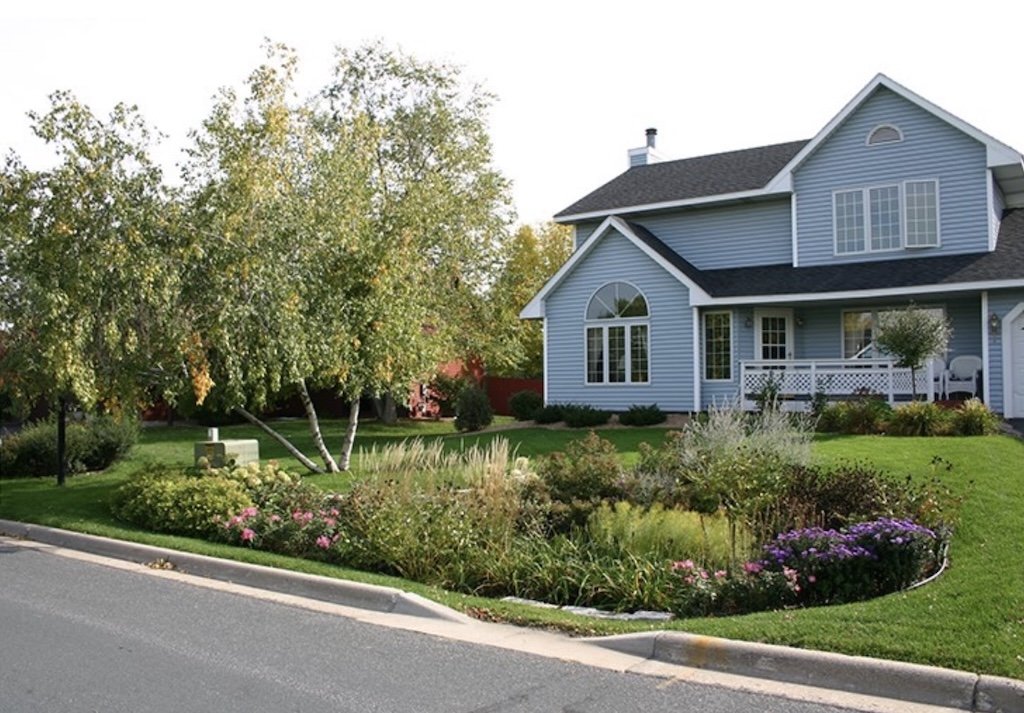
Rain gardens have surged in popularity across suburban landscapes primarily because they offer a functional, nature-based solution to the challenges of modern stormwater management. In many residential areas, expansive impervious surfaces like roofs, driveways, and sidewalks prevent rainwater from soaking into the ground, instead funneling runoff—often laden with pollutants—directly into local sewer systems and waterways. By strategically planting a bowl-shaped garden with deep-rooted native vegetation, homeowners can intercept this runoff, allowing it to naturally infiltrate the soil where it is filtered and used to recharge local groundwater. Beyond their environmental utility in preventing erosion and flooding, these gardens are highly valued for their aesthetic appeal and their ability to create vibrant “mini-habitats” that support essential pollinators like bees, butterflies, and birds.
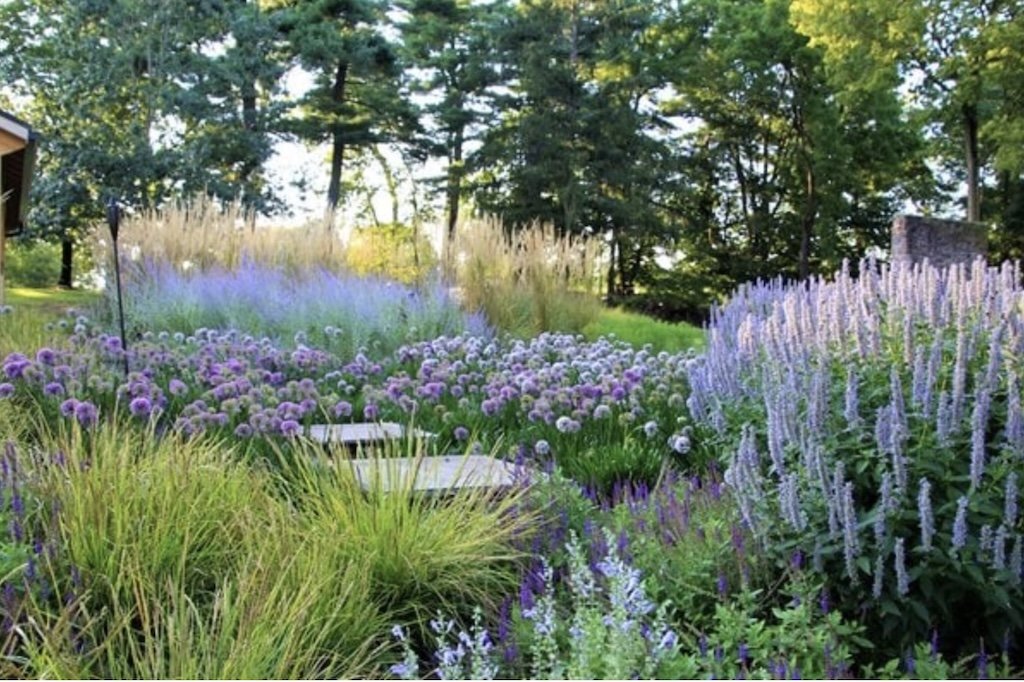
Selecting the right plants for a rain garden is a balancing act; they must be “hydrophilic” enough to survive temporary flooding but “xerophytic” enough to handle the dry spells common in suburban yards. Award-winning designs often transcend mere function, turning what could be a muddy ditch into a structured, architectural centerpiece.
The “Workhorse” Plants
Professional designers typically divide rain gardens into three zones based on moisture levels to ensure year-round health:
-
The Deep Basin (Wettest): This center zone requires plants with “wet feet.” Cardinal Flower (Lobelia cardinalis) is a favorite for its striking red spikes, while Sedges (Carex species) and Buttonbush (Cephalanthus occidentalis) provide the structural mass needed to slow down rushing water.
-
The Slopes (Transitional): Here, plants like Swamp Milkweed (Asclepias incarnata) and Blue Flag Iris (Iris versicolor) thrive, offering vibrant color and essential support for monarch butterflies and other pollinators.
-
The Berm (Driest): The outer rim is often planted with more traditional garden favorites like Coneflowers (Echinacea) and Little Bluestem (Schizachyrium scoparium). These plants act as a “visual frame,” helping the rain garden blend seamlessly with the rest of the manicured landscape.
What Makes a Rain Garden “Award-Winning”?
Looking at recent accolades from organizations like the American Society of Landscape Architects (ASLA), several key trends separate a standard drainage pit from an award-winning feature:
-
Immersive Design: Projects like the Rain Gardens at 900 Block in Kentucky won honors by treating green infrastructure as “placemaking.” Instead of hiding the garden in a back corner, they made it an immersive experience with custom walkways and social spaces, proving that utility can be beautiful.
-
Three-Dimensional Education: Some winners utilize the garden as a “living diagram.” By using tiered walls, weirs (small dams), and clear stone-lined paths, these designs visually demonstrate the movement of water from roof to ground, turning a backyard into a science exhibit.
-
Curb Appeal & Structure: A common critique of rain gardens is that they can look “messy.” Award winners combat this by using drifts—planting large groups of the same species together to create bold sweeps of color—and establishing crisp edges with hardwood mulch or river rock. This intentionality signals to neighbors that the “wild” look is a deliberate, high-end design choice.
-
Resilience over Maintenance: High-honor designs often focus on soil remediation—breaking up compacted suburban clay and using specific soil mixes—to ensure the garden can filter an inch of rain in under four hours without requiring constant irrigation during droughts.