Using image blocks and aligning with text

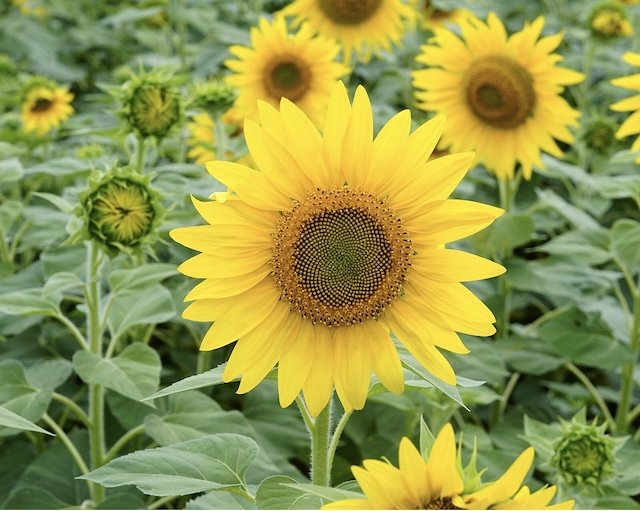
Sunflowers, scientifically known as Helianthus annuus, are iconic, fast-growing annuals renowned for their towering stalks and vibrant, sun-like yellow blooms that follow the sun (heliotropism) during their youth. Native to North America, these versatile plants produce large flowerheads—comprised of thousands of tiny, seed-producing florets—which are highly prized for extracting cooking oil, nourishing wildlife, and providing a healthy snack for humans. Beyond their agricultural utility, sunflowers symbolize warmth and loyalty, blooming from summer into autumn and often reaching heights over 10 feet.

Ursinia is a genus of vibrant, daisy-like flowers native to South Africa that brings intense yellow and orange color to gardens. Often called “parachute daisies” or “mountain marigolds,” these plants are loved for their bright blooms, low-maintenance nature, and ability to thrive in sunny, dry, and poor-soil conditions.

I put the font size as small and also using the upper symbol menu placed media and paragraph options showing either side.

Putting portrait images in posts

These images came from Unsplash to use as an example. They are already close to or less than 200kb which makes for faster loading.

Maryland is a hotspot for butterfly diversity, featuring roughly 150 species that thrive in its varied landscapes, from coastal plains to mountain forests. To support these pollinators, creating a “nursery” with native plants that offer both nectar for adults and food for caterpillars is essential.
 
1. Eastern Tiger Swallowtail (Papilio glaucus)
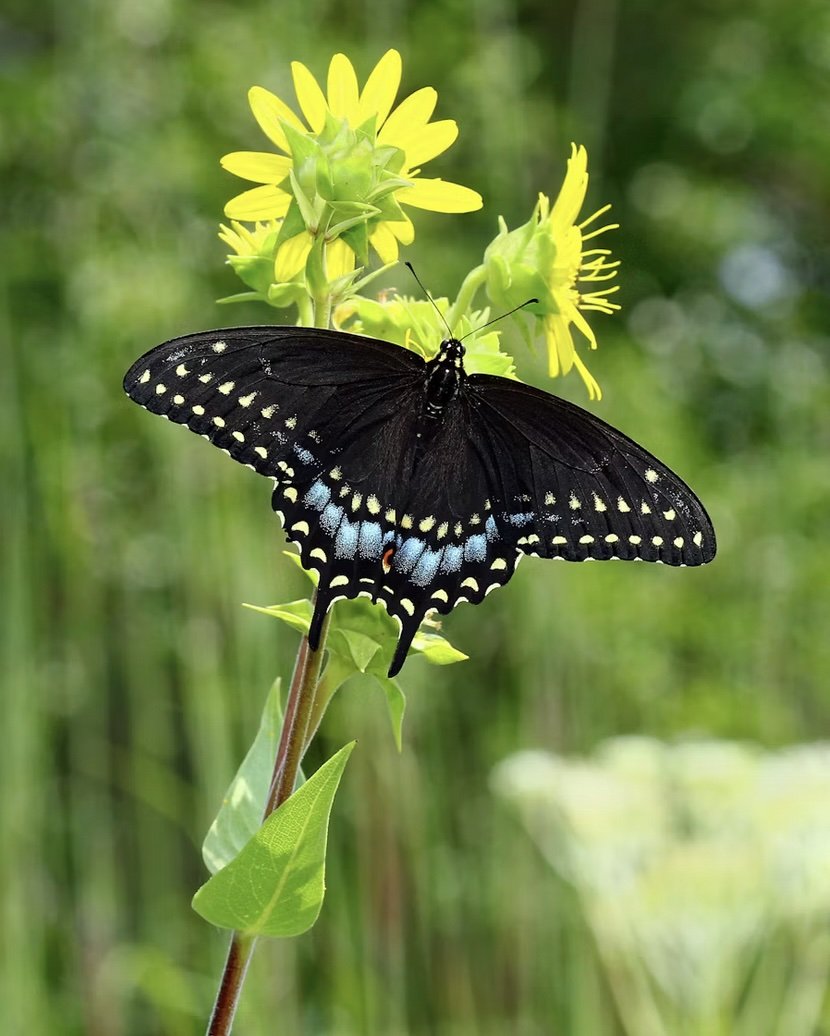
Have you ever been tending to your dill or parsley, only to find a plump, green, and striped caterpillar munching away? If so, you’ve met the Black Swallowtail (Papilio polyxenes)—a stunning butterfly that turns your backyard vegetable garden into a wildlife nursery.
Known for their velvety black wings and preference for kitchen herbs, these insects are a joy to raise and watch.
 
Often called “parsley worms,” the caterpillars are masters of disguise. Young caterpillars look like bird poop to avoid predators, while older caterpillars are vibrant green with black bands and yellow dots.When threatened, they extend a bright orange, Y-shaped, smelly gland from their head called an osmeterium to scare away predators.
 
Black swallowtails are common in North America and love open fields and suburban gardens. To attract them, you need to plant their favorites, which are all part of the Apiaceae family:parsley, dill, fennel, carrots, celery and Queen Anne’s lace for the caterpillars and to attract the adults lantana, zinnias, milkweed, red clover and thistles. 

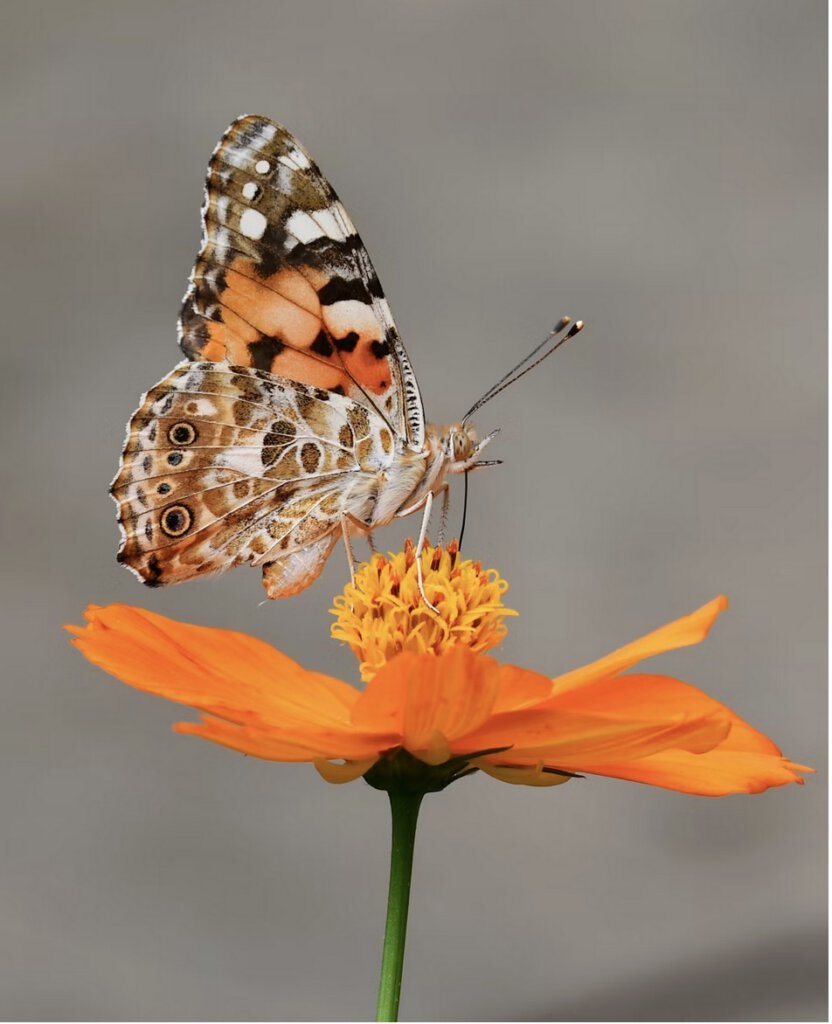
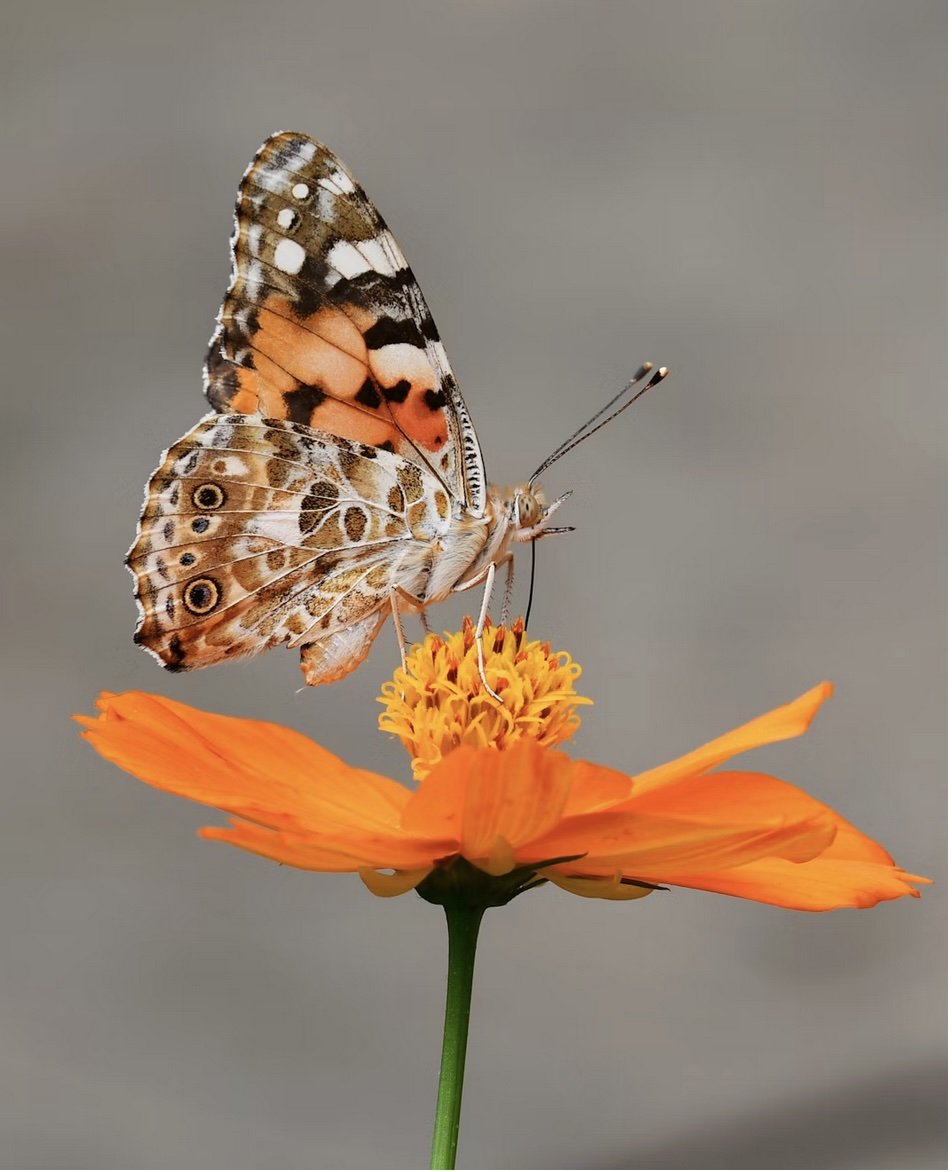
The Painted Lady actually holds the record for one of the longest butterfly migrations, some populations travel up to 7,500 miles roundtrip, moving from tropical Africa to the Arctic Circle and can fly at speeds of nearly 30 miles per hour.

Found on every continent except Antarctica and Australia, they are incredibly adaptable, inhabiting meadows, gardens, fields, and even coastal dunes.Often called the “Thistle Butterfly,” the females lay their eggs on various host plants, preferring thistles, mallow, and sunflowers. They also like aster, yarrow and ironweed.


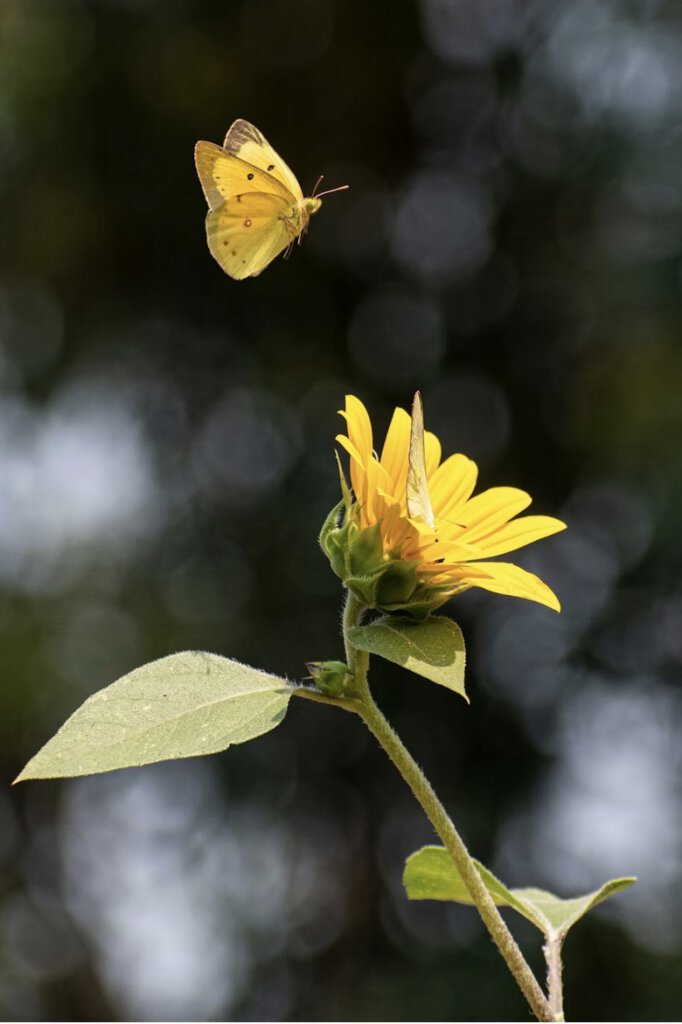
If summer, you have almost certainly seen the cheerful, erratic flutter of a Clouded Sulphur (Colias philodice). Often mistaken for a falling yellow leaf or a tiny patch of sunlight, these butterflies are among the most common and beloved visitors to North American landscapes. They are found nearly everywhere and thrive in open, sunny areas.
 
One of the most fascinating behaviors to watch is “puddling.” Males frequently gather in groups on damp soil or mud to extract essential minerals, creating a stunning cluster of yellow. 
 
 
They fly low to the ground in a zig-zag pattern searching for nectar and mates.
They lay their eggs on the upper surface of host plants, primarily in the legume family.
The larvae are smooth green caterpillars with a white stripe along their sides, often blending perfectly with the leaves they feed on. 


🛠️ L
Often called the “Thistle Butterfly,” the females lay their eggs on various host plants, preferring thistles, mallow, and sunflowers.
    • The Caterpillar Stage: Caterpillars build unique silk nests to protect themselves, often weaving leaves together on thistle plants.
    • Rapid Development: Painted Ladies are adapted for fast reproduction, with larvae developing in only 5 to 10 days.
    • The Chrysalis: They form a stunning chrysalis that hangs for about 1-2 weeks before emerging as an adult.

If you want to spot these beauties, they love nectar-rich plants.
  • Top Favorites: Aster, Buddleia (Butterfly Bush), Thistle, Yarrow, and Ironweed.
  • Keep it Natural: Avoid using pesticides and include native wildflowers, as lawns can act as “green deserts” for insects.

Adding a WordPress Gallery

Adding a single image to a WordPress post is easy, but a Gallery is the secret to showcasing a collection of photos without turning your page into a never-ending scroll. Whether you are using the Block Editor (Gutenberg) or a page builder, the process is streamlined—provided you do the prep work first.


I’m going to add a plugin called SMUSH to reduce the size.

This is a regular gallery.


This is a gallery made by using columns which doesn’t crop the images so the tops are aligned but the heights are different.

ScreeGro0Low Sumacnshot
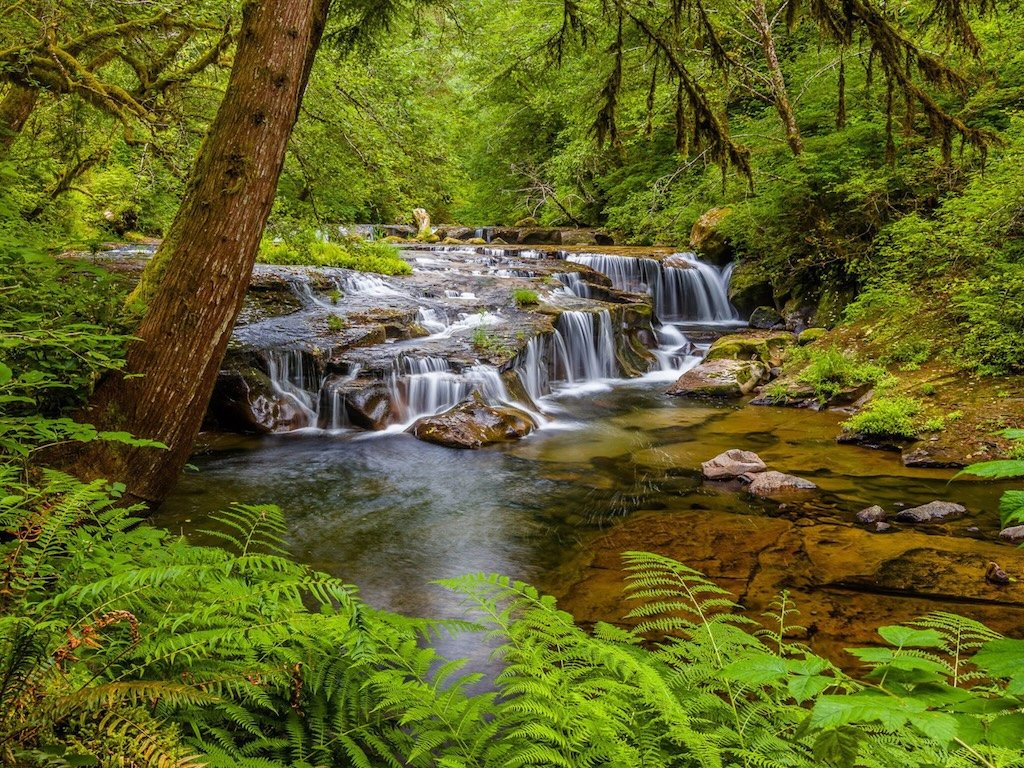
Waterfall

The above is without cropping the height ahead of time.

Rain Gardens Remain Popular

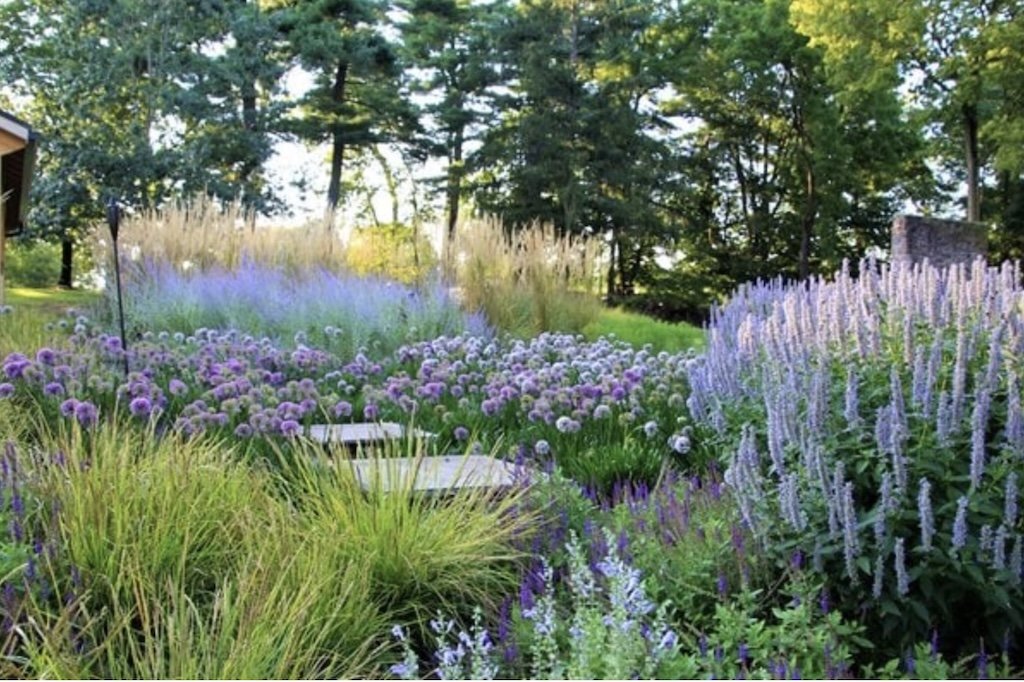
Rain gardens have surged in popularity across suburban landscapes primarily because they offer a functional, nature-based solution to the challenges of modern stormwater management. In many residential areas, expansive impervious surfaces like roofs, driveways, and sidewalks prevent rainwater from soaking into the ground, instead funneling runoff—often laden with pollutants—directly into local sewer systems and waterways. By strategically planting a bowl-shaped garden with deep-rooted native vegetation, homeowners can intercept this runoff, allowing it to naturally infiltrate the soil where it is filtered and used to recharge local groundwater. Beyond their environmental utility in preventing erosion and flooding, these gardens are highly valued for their aesthetic appeal and their ability to create vibrant “mini-habitats” that support essential pollinators like bees, butterflies, and birds.

Selecting the right plants for a rain garden is a balancing act; they must be “hydrophilic” enough to survive temporary flooding but “xerophytic” enough to handle the dry spells common in suburban yards. Award-winning designs often transcend mere function, turning what could be a muddy ditch into a structured, architectural centerpiece.

The “Workhorse” Plants

Professional designers typically divide rain gardens into three zones based on moisture levels to ensure year-round health:

  • The Deep Basin (Wettest): This center zone requires plants with “wet feet.” Cardinal Flower (Lobelia cardinalis) is a favorite for its striking red spikes, while Sedges (Carex species) and Buttonbush (Cephalanthus occidentalis) provide the structural mass needed to slow down rushing water.

  • The Slopes (Transitional): Here, plants like Swamp Milkweed (Asclepias incarnata) and Blue Flag Iris (Iris versicolor) thrive, offering vibrant color and essential support for monarch butterflies and other pollinators.

  • The Berm (Driest): The outer rim is often planted with more traditional garden favorites like Coneflowers (Echinacea) and Little Bluestem (Schizachyrium scoparium). These plants act as a “visual frame,” helping the rain garden blend seamlessly with the rest of the manicured landscape.

What Makes a Rain Garden “Award-Winning”?

Looking at recent accolades from organizations like the American Society of Landscape Architects (ASLA), several key trends separate a standard drainage pit from an award-winning feature:

  • Immersive Design: Projects like the Rain Gardens at 900 Block in Kentucky won honors by treating green infrastructure as “placemaking.” Instead of hiding the garden in a back corner, they made it an immersive experience with custom walkways and social spaces, proving that utility can be beautiful.

  • Three-Dimensional Education: Some winners utilize the garden as a “living diagram.” By using tiered walls, weirs (small dams), and clear stone-lined paths, these designs visually demonstrate the movement of water from roof to ground, turning a backyard into a science exhibit.

  • Curb Appeal & Structure: A common critique of rain gardens is that they can look “messy.” Award winners combat this by using drifts—planting large groups of the same species together to create bold sweeps of color—and establishing crisp edges with hardwood mulch or river rock. This intentionality signals to neighbors that the “wild” look is a deliberate, high-end design choice.

  • Resilience over Maintenance: High-honor designs often focus on soil remediation—breaking up compacted suburban clay and using specific soil mixes—to ensure the garden can filter an inch of rain in under four hours without requiring constant irrigation during droughts.