These images came from Unsplash to use as an example. They are already close to or less than 200kb which makes for faster loading.
Maryland is a hotspot for butterfly diversity, featuring roughly 150 species that thrive in its varied landscapes, from coastal plains to mountain forests. To support these pollinators, creating a “nursery” with native plants that offer both nectar for adults and food for caterpillars is essential.
1. Eastern Tiger Swallowtail (Papilio glaucus)
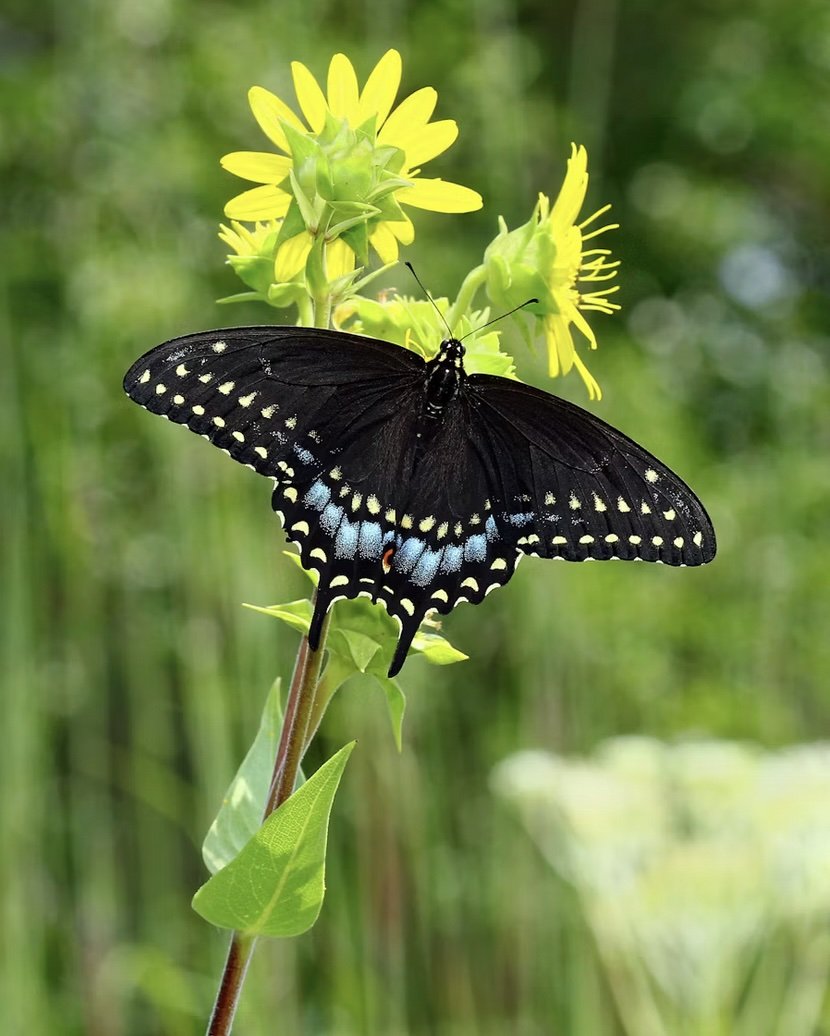
Have you ever been tending to your dill or parsley, only to find a plump, green, and striped caterpillar munching away? If so, you’ve met the Black Swallowtail (Papilio polyxenes)—a stunning butterfly that turns your backyard vegetable garden into a wildlife nursery.
Known for their velvety black wings and preference for kitchen herbs, these insects are a joy to raise and watch.
Often called “parsley worms,” the caterpillars are masters of disguise. Young caterpillars look like bird poop to avoid predators, while older caterpillars are vibrant green with black bands and yellow dots.When threatened, they extend a bright orange, Y-shaped, smelly gland from their head called an osmeterium to scare away predators.
Black swallowtails are common in North America and love open fields and suburban gardens. To attract them, you need to plant their favorites, which are all part of the Apiaceae family:parsley, dill, fennel, carrots, celery and Queen Anne’s lace for the caterpillars and to attract the adults lantana, zinnias, milkweed, red clover and thistles.
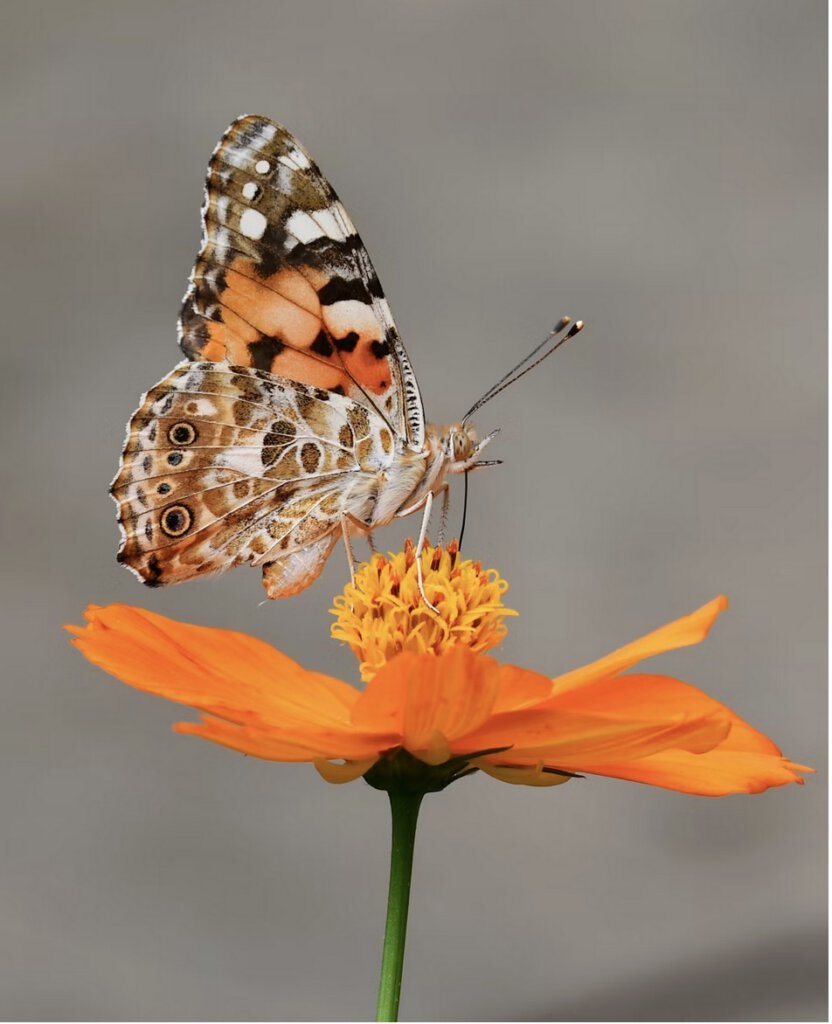
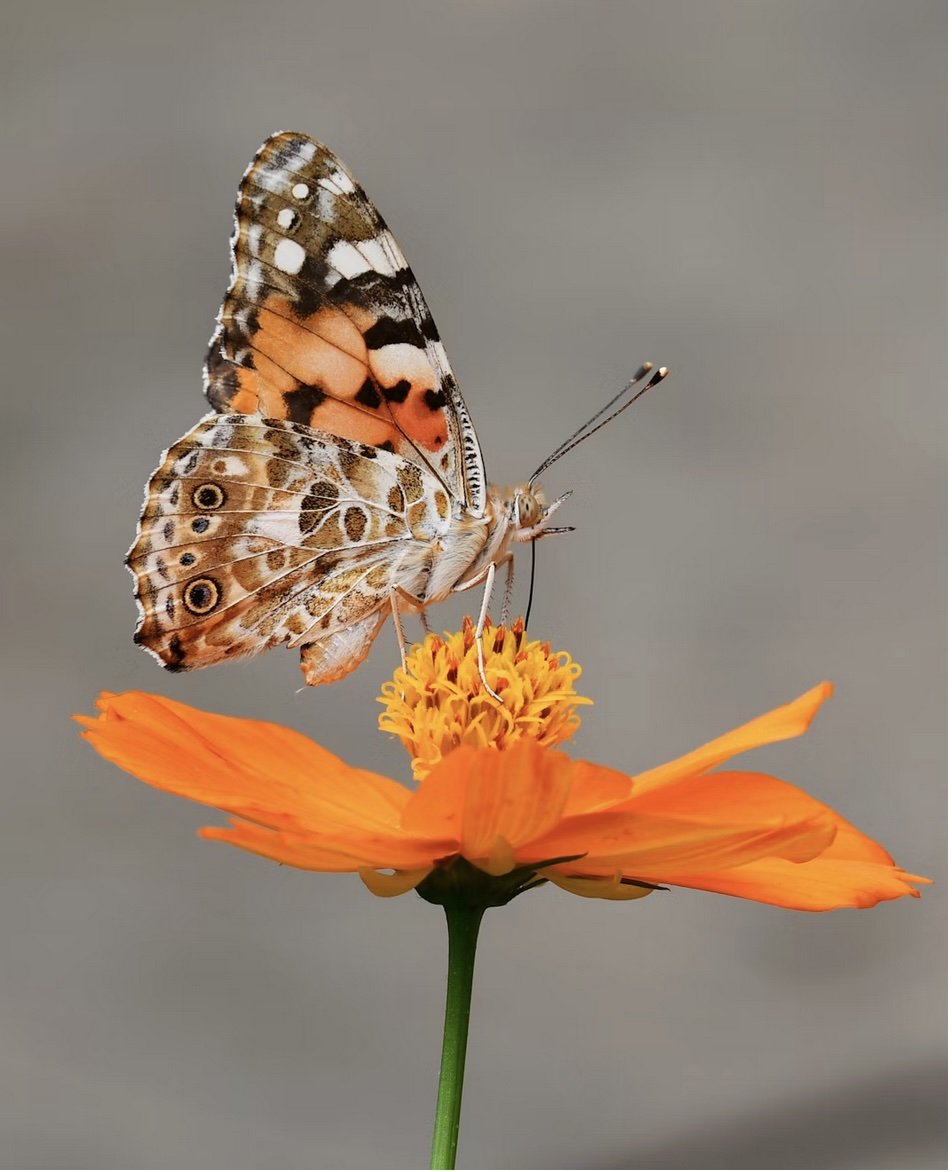
The Painted Lady actually holds the record for one of the longest butterfly migrations, some populations travel up to 7,500 miles roundtrip, moving from tropical Africa to the Arctic Circle and can fly at speeds of nearly 30 miles per hour.
Found on every continent except Antarctica and Australia, they are incredibly adaptable, inhabiting meadows, gardens, fields, and even coastal dunes.Often called the “Thistle Butterfly,” the females lay their eggs on various host plants, preferring thistles, mallow, and sunflowers. They also like aster, yarrow and ironweed.
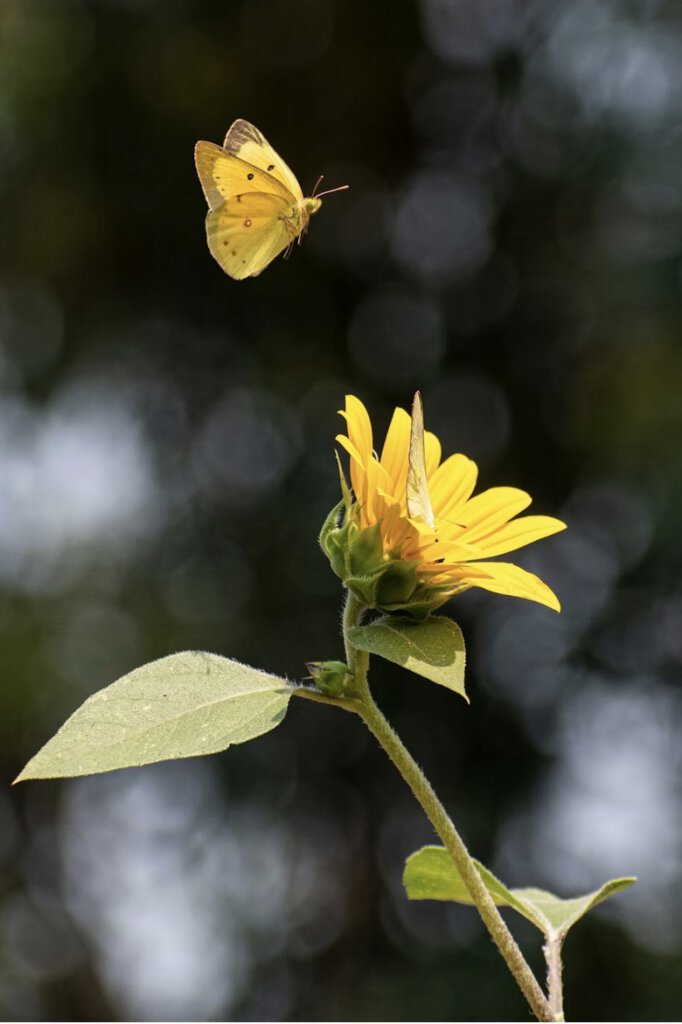
If summer, you have almost certainly seen the cheerful, erratic flutter of a Clouded Sulphur (Colias philodice). Often mistaken for a falling yellow leaf or a tiny patch of sunlight, these butterflies are among the most common and beloved visitors to North American landscapes. They are found nearly everywhere and thrive in open, sunny areas.
One of the most fascinating behaviors to watch is “puddling.” Males frequently gather in groups on damp soil or mud to extract essential minerals, creating a stunning cluster of yellow.
They fly low to the ground in a zig-zag pattern searching for nectar and mates.
They lay their eggs on the upper surface of host plants, primarily in the legume family.
The larvae are smooth green caterpillars with a white stripe along their sides, often blending perfectly with the leaves they feed on.
🛠️ L
Often called the “Thistle Butterfly,” the females lay their eggs on various host plants, preferring thistles, mallow, and sunflowers.
-
- The Caterpillar Stage: Caterpillars build unique silk nests to protect themselves, often weaving leaves together on thistle plants.
- Rapid Development: Painted Ladies are adapted for fast reproduction, with larvae developing in only 5 to 10 days.
- The Chrysalis: They form a stunning chrysalis that hangs for about 1-2 weeks before emerging as an adult.
If you want to spot these beauties, they love nectar-rich plants.
- Top Favorites: Aster, Buddleia (Butterfly Bush), Thistle, Yarrow, and Ironweed.
- Keep it Natural: Avoid using pesticides and include native wildflowers, as lawns can act as “green deserts” for insects.